Query Resolution Patterns Shaping Real-Time Monitoring Across Merchant Fee Arrangements
Written by Paul Hartmann · Oct 13, 2026
Query Resolution Patterns Shaping Real-Time Monitoring Across Merchant Fee Arrangements
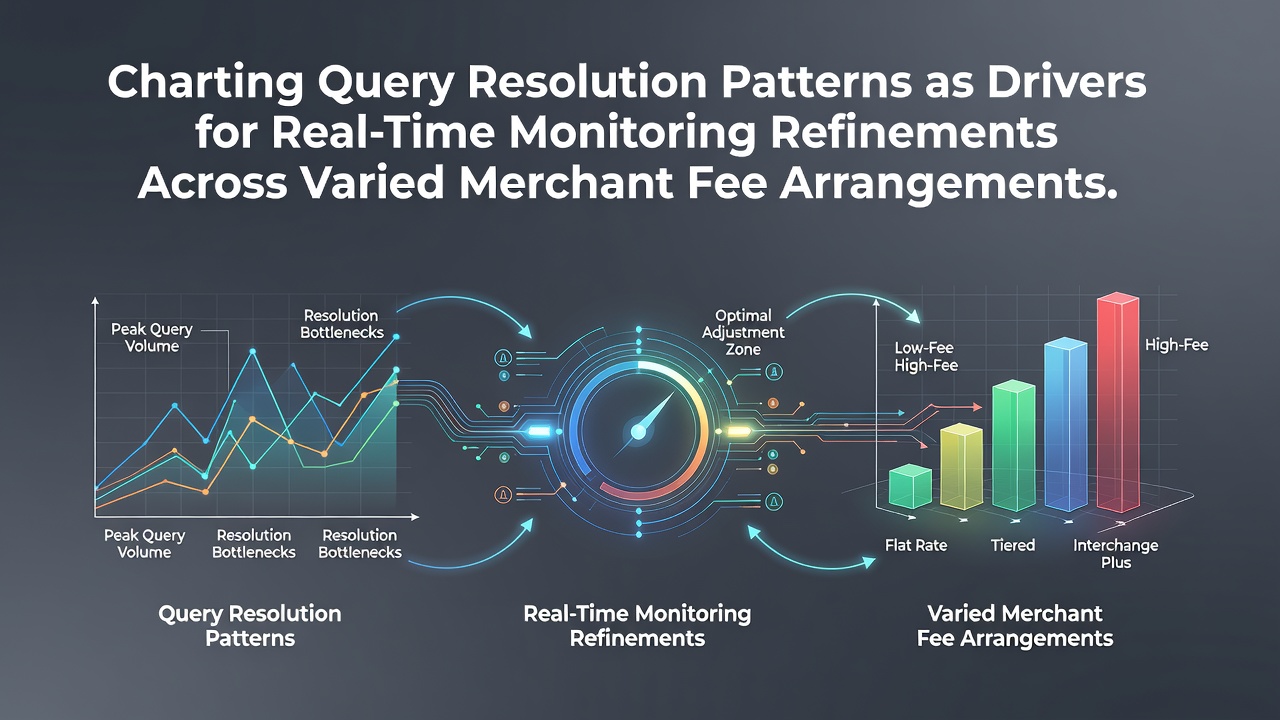
Payment processors track merchant queries to identify recurring issues that surface across tiered pricing, interchange-plus, and subscription-based fee models, and these patterns feed directly into refinements for real-time monitoring systems that oversee transaction flows.
Studies from industry groups show that merchants operating under varied fee structures generate distinct query types, with those on tiered arrangements often raising questions about hidden surcharges while interchange-plus users focus on pass-through cost calculations.
Fee Structures and Query Volume Trends
Research indicates that merchants encounter different friction points depending on their chosen pricing, and October 2026 data from payment networks reveal elevated query volumes in regions where hybrid retail setups combine in-store terminals with online gateways.
Observers note that subscription fee models tend to produce queries centered on recurring billing adjustments, whereas flat-rate arrangements draw more attention to authorization decline rates and settlement timing discrepancies.
Linking Resolution Data to Monitoring Refinements
Teams responsible for system oversight compile resolution logs from customer support channels, then map those outcomes against live transaction metrics to detect emerging anomalies before they escalate into widespread processing delays.
One analysis of multi-channel networks found that patterns in how support teams close queries about fee disputes correlate with adjustments needed in fraud detection thresholds, particularly when merchants switch between pricing tiers mid-cycle.
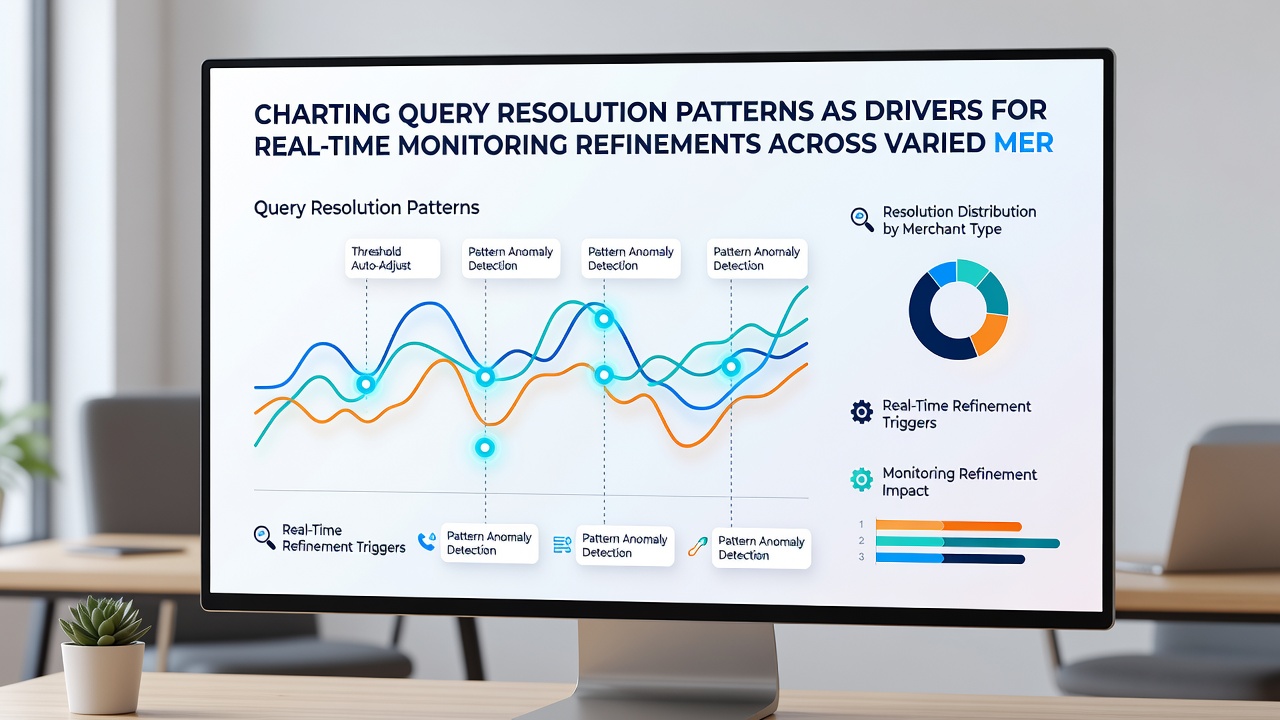
What's significant is that support logs often highlight gaps in existing monitoring rules, prompting developers to recalibrate alert parameters so systems flag unusual activity faster across different merchant account setups.
Regional Data Sources and Integration Examples
According to reports published by the Reserve Bank of Australia, query resolution timelines in hybrid payment environments influence how gateways update their oversight protocols to maintain compliance with evolving security standards.
Figures from the Bank of Canada demonstrate similar connections, where merchants using subscription-based fees submit queries about PCI scope changes that lead to targeted monitoring enhancements for tokenization processes.
Those who manage gateway operations report that integrating these patterns allows for proactive rule updates rather than reactive fixes after incidents occur.
Practical Applications in Varied Arrangements
Payment teams examine query categories such as settlement disputes or authorization failures, then apply findings to refine algorithms that monitor fee calculations in real time across tiered and interchange-plus models.
And because merchants in multi-platform retail networks frequently shift between fee arrangements, resolution data helps systems adapt monitoring logic without requiring full reconfiguration each time a pricing change takes effect.
Evidence from academic reviews of payment processing systems suggests that structured logging of support interactions improves the precision of alerts related to potential compliance deviations.
Conclusion
Query resolution patterns serve as practical inputs for updating real-time monitoring across the spectrum of merchant fee arrangements, and organizations that incorporate these insights maintain tighter control over transaction integrity and cost accuracy.
Continued analysis of support data alongside live metrics supports incremental refinements that align with the operational realities of diverse pricing structures.