Investigating Interconnections: Merchant Account Cost Structures and Active Fraud Reduction Measures in Payment Gateway Operations
Written by Paul Hartmann · Sep 1, 2026
Investigating Interconnections: Merchant Account Cost Structures and Active Fraud Reduction Measures in Payment Gateway Operations
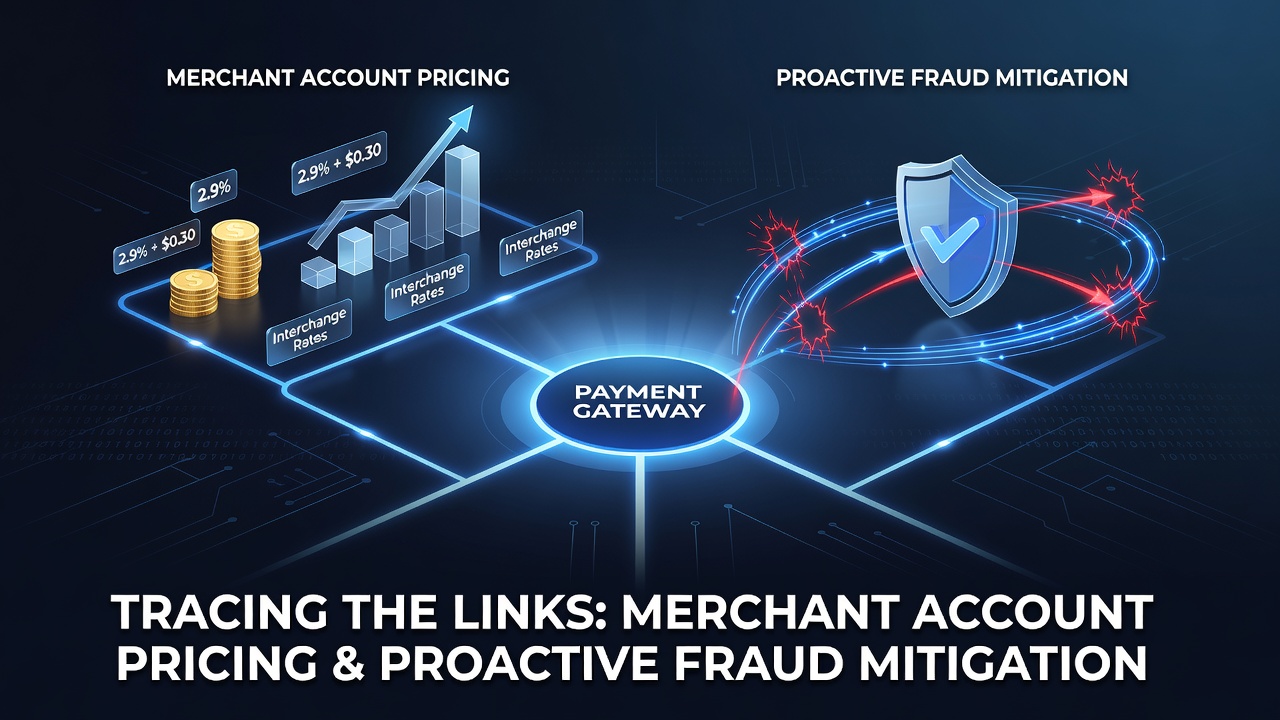
Payment gateways process transactions across multiple channels while merchant accounts determine the fees that fund operational capabilities, and observers note how these pricing structures often determine the resources available for fraud controls. Research from the Federal Reserve Bank of New York indicates that interchange fees and processing markups directly influence the budgets merchants allocate toward monitoring systems, with data showing variations in adoption rates of real-time screening tools depending on fee models. Those who study these systems find that flat-rate pricing sometimes limits access to advanced analytics compared with interchange-plus arrangements, because the latter model can provide clearer visibility into cost savings that get redirected toward prevention technologies.
Pricing Models Shape Resource Allocation
Merchant account pricing typically falls into categories such as tiered, interchange-plus, and subscription-based structures, and studies from the Reserve Bank of Australia reveal that subscription models correlate with steadier investments in gateway security features over time. Data collected through 2025 demonstrates that merchants operating under interchange-plus agreements report higher deployment rates of machine-learning fraud filters, since transparent fee breakdowns allow for precise forecasting of savings that support ongoing monitoring upgrades. In contrast, tiered pricing can bundle costs in ways that obscure opportunities for reallocation, leading some payment processors to observe slower integration of proactive measures like velocity checks and device fingerprinting.
Payment gateways incorporate these fraud tools at different levels based on the merchant's chosen plan, while figures from industry reports highlight that lower per-transaction costs under certain agreements free up capital for API-level integrations with third-party risk services. Experts tracking these patterns note that subscription pricing often includes bundled support for compliance updates, which indirectly strengthens fraud defenses through regular system patches and rule refinements. As September 2026 approaches, projections suggest continued expansion of hybrid pricing options that tie fee reductions to verified fraud-loss thresholds, encouraging merchants to maintain active mitigation protocols.
Fraud Mitigation Techniques Rely on Gateway Infrastructure
Proactive fraud mitigation encompasses real-time authorization checks, behavioral analytics, and automated chargeback alerts, all of which operate within the payment gateway environment. Research published by the European Central Bank outlines how gateways equipped with dynamic authentication layers reduce unauthorized transaction attempts by measurable percentages, yet these capabilities require consistent funding streams derived from merchant account agreements. Observers point out that gateways supporting tokenization and 3D Secure protocols often appear in accounts with pricing that rewards volume commitments, because such terms generate predictable revenue for gateway providers to maintain and enhance detection algorithms.
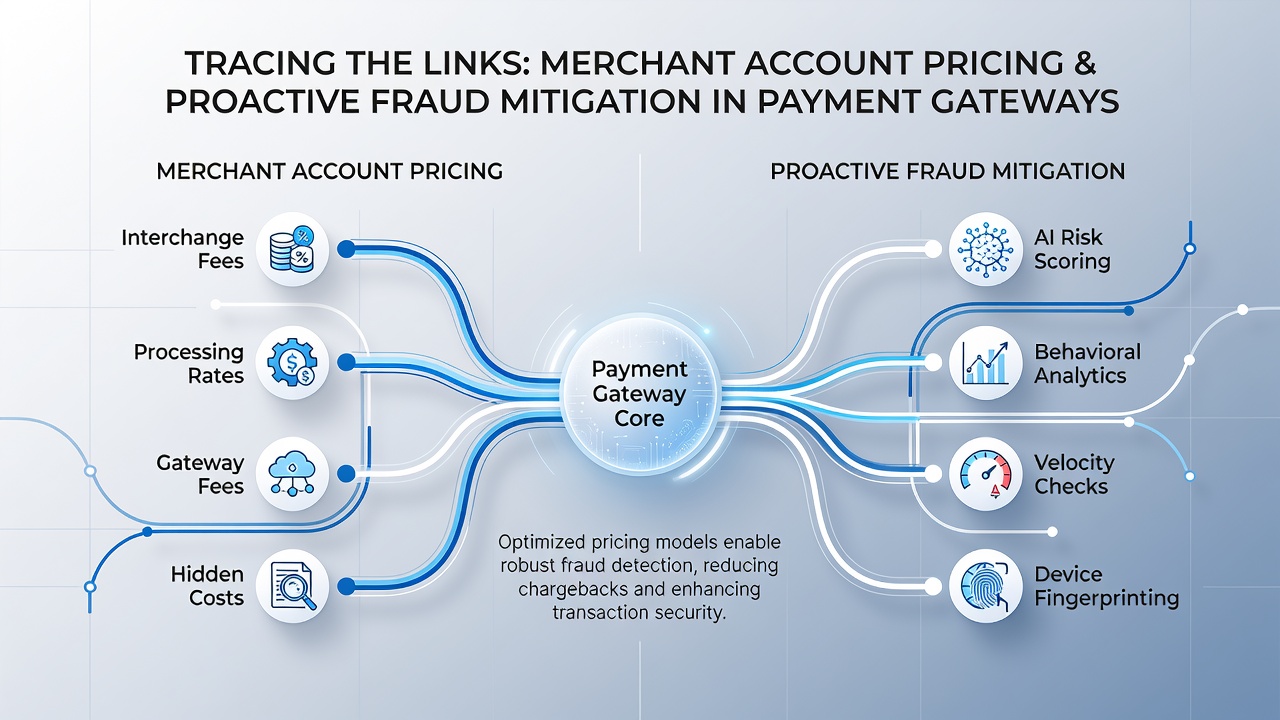
Those examining multi-channel retail environments discover that gateways with integrated risk engines perform best when merchant fees incorporate elements that scale with transaction complexity, allowing for layered screening without additional per-event charges. Case examples from Canadian payment processors illustrate how merchants who negotiated interchange-plus contracts allocated portions of reduced processing expenses toward custom rule sets that flag suspicious patterns before authorization. This approach contrasts with fixed-fee setups where margins remain tighter, sometimes resulting in reliance on basic gateway defaults rather than customized proactive controls.
Direct Connections Between Costs and Controls
Evidence from multiple payment industry analyses shows that merchants experiencing lower effective rates frequently direct incremental savings into gateway modules that deliver predictive scoring and automated alerts. Payment processors report that accounts structured around performance incentives, such as reduced fees for low chargeback ratios, create direct feedback loops where proactive mitigation efforts yield measurable pricing benefits. Researchers tracking these dynamics find that gateways offering tiered fraud service packages align more closely with merchant accounts that feature transparent cost breakdowns, because visibility into fee components supports decisions to upgrade monitoring layers.
What's notable is the way subscription-based merchant accounts often embed access to enhanced gateway dashboards that track fraud metrics alongside pricing data, enabling continuous adjustment of controls. In regions following guidelines from bodies like the Monetary Authority of Singapore, such integrations help maintain compliance while linking cost efficiency to reduced exposure. Data through mid-2026 continues to reflect these patterns, with gateways adapting their offerings to accommodate pricing models that reward demonstrated reductions in fraudulent activity.
Conclusion
The relationships between merchant account pricing and proactive fraud mitigation in payment gateways rest on measurable resource flows and infrastructure capabilities, with studies confirming that fee structures influence the depth of monitoring tools deployed. Observers continue to document how interchange-plus and subscription models tend to support more robust gateway features compared with rigid tiered options, while ongoing regulatory developments shape these interconnections across global markets. As systems evolve, the documented patterns indicate sustained emphasis on pricing arrangements that align cost management with effective fraud reduction outcomes.