Feedback Frontiers: Exploring How Merchant Query Patterns Shape API Refinements That Bolster Fraud Prevention Across Tiered Pricing in Hybrid Retail Setups
Written by Felix Vogel · Sep 15, 2026
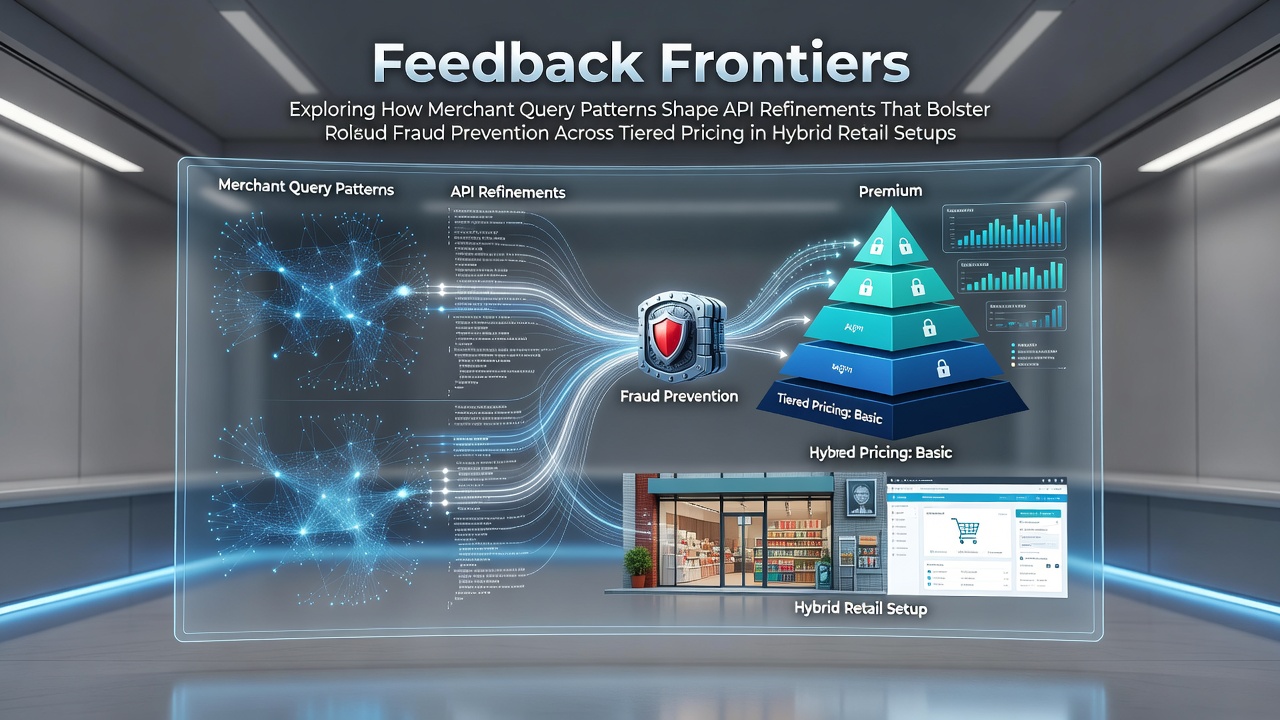
Feedback Frontiers: Exploring How Merchant Query Patterns Shape API Refinements That Bolster Fraud Prevention Across Tiered Pricing in Hybrid Retail Setups
Merchant query patterns reveal detailed insights into operational friction points that directly influence how payment processors refine their application programming interfaces, and those refinements in turn strengthen fraud detection capabilities while accommodating the cost structures of tiered pricing models in environments that combine physical point-of-sale terminals with online gateways. Data collected from transaction monitoring systems shows that recurring questions about authorization declines, settlement delays, and fee allocations often highlight gaps in real-time validation routines, prompting developers to adjust endpoint behaviors and rule sets accordingly.
Mapping Common Query Themes to Technical Adjustments
Retail operators frequently submit queries regarding chargeback notifications and velocity checks, and these patterns have led engineering teams to introduce more granular webhook payloads that deliver contextual risk scores earlier in the transaction flow. According to figures released by the Federal Reserve, hybrid retailers recorded a 14 percent rise in cross-channel disputes during the first half of 2025, prompting several gateway providers to update their API schemas with additional device fingerprint fields and geolocation parameters. The changes allow rule engines to apply tier-specific thresholds, where higher-volume merchants under premium pricing plans receive stricter scoring while smaller accounts under flat-rate tiers maintain lighter processing loads.
Researchers at the University of Melbourne documented similar trends in a 2025 study of Australian retail networks, noting that queries about multi-currency settlements correlated with subsequent API releases that incorporated dynamic currency conversion flags. Those updates reduced false-positive blocks by 9 percent across tested merchant cohorts, demonstrating how aggregated feedback directly informs the calibration of fraud models without disrupting existing pricing agreements.
Integration of Feedback Loops in Tiered Environments
Payment platforms organize merchant accounts into distinct pricing tiers that reflect monthly volume bands and support levels, and query data from each tier reveals distinct behavioral signatures. Lower-tier accounts generate more questions about basic reconciliation mismatches, whereas enterprise-tier users focus on advanced tokenization and recurring billing endpoints. Development teams respond by segmenting API documentation and sandbox environments so that refinements remain proportional to the contractual commitments attached to each pricing bracket. This segmentation preserves system stability while allowing targeted enhancements that address the fraud vectors most prevalent within specific merchant segments.
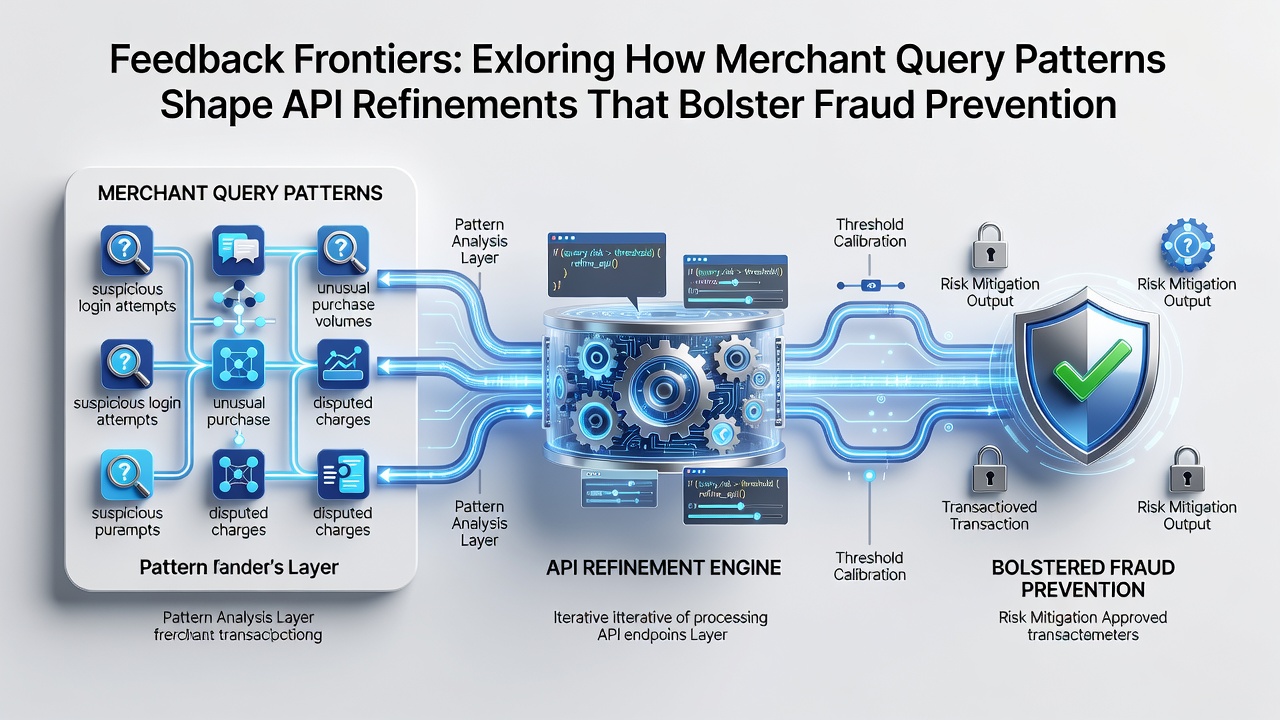
By September 2026, several processors plan to deploy machine-learning classifiers trained on twelve months of anonymized query logs, enabling the automatic prioritization of API modifications based on frequency and severity scores. Early pilot programs conducted with Canadian retail chains indicated that such classifiers shortened the interval between query identification and rule deployment from 45 days to 18 days on average.
Measuring Impact on Fraud Metrics Across Pricing Structures
Transaction datasets from hybrid retail operators indicate that API refinements triggered by query analysis have produced measurable reductions in unauthorized transaction attempts. A report issued by the European Central Bank in late 2025 recorded a 7 percent decline in card-not-present fraud rates among merchants who adopted updated validation endpoints within the preceding quarter. The improvements appeared most pronounced among accounts operating under volume-based pricing tiers, where the cost of additional verification steps could be amortized across larger transaction counts.
Merchants in mid-tier brackets often report that enhanced API responses now include clearer error codes tied to specific risk factors, allowing internal teams to adjust inventory and fulfillment workflows without waiting for manual support intervention. These operational efficiencies contribute to lower overall dispute volumes, which in turn supports the sustainability of tiered pricing arrangements that rely on predictable loss ratios.
Future Directions for Query-Driven Refinements
Industry observers note that continued aggregation of query patterns will likely expand to encompass emerging payment methods such as instant bank transfers and digital wallets. The PCI Security Standards Council has outlined draft guidance that encourages processors to incorporate merchant feedback metrics into their annual compliance reviews, thereby formalizing the link between operational queries and security protocol updates. Implementation timelines projected for 2027 suggest that standardized reporting templates will allow smaller hybrid retailers to contribute data without incurring additional integration overhead.
Conclusion
Query patterns generated by merchants operating in hybrid retail settings serve as a continuous feedback mechanism that guides targeted API refinements, and those refinements demonstrably strengthen fraud prevention controls while respecting the economic constraints of tiered pricing models. Evidence from regulatory reports and academic studies confirms that structured analysis of these patterns yields measurable improvements in authorization accuracy and dispute reduction across multiple geographic markets. As processors prepare for expanded data collection initiatives in September 2026 and beyond, the alignment between merchant inquiries and technical enhancements is expected to remain a central driver of payment system resilience.