Decoding Merchant Feedback Loops: Their Influence on API Updates for PCI Standards in Varied Fee Structures
Written by Paul Hartmann · Sep 29, 2026
Decoding Merchant Feedback Loops: Their Influence on API Updates for PCI Standards in Varied Fee Structures
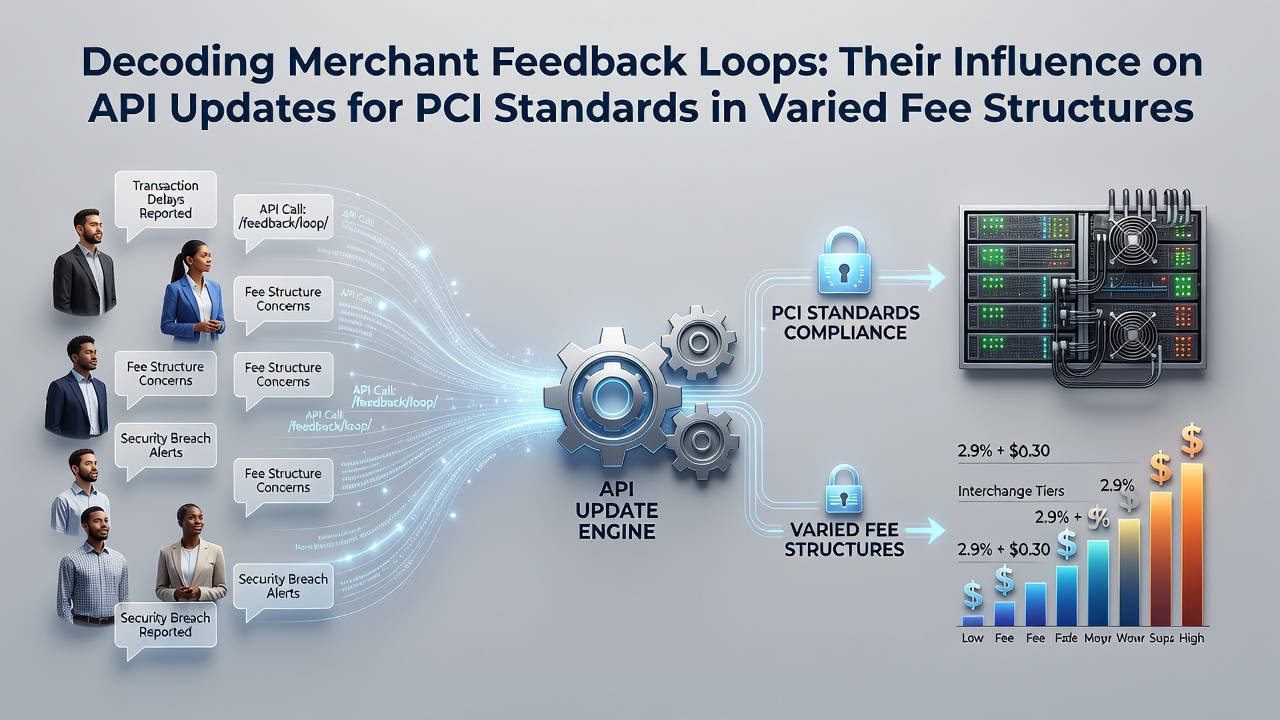
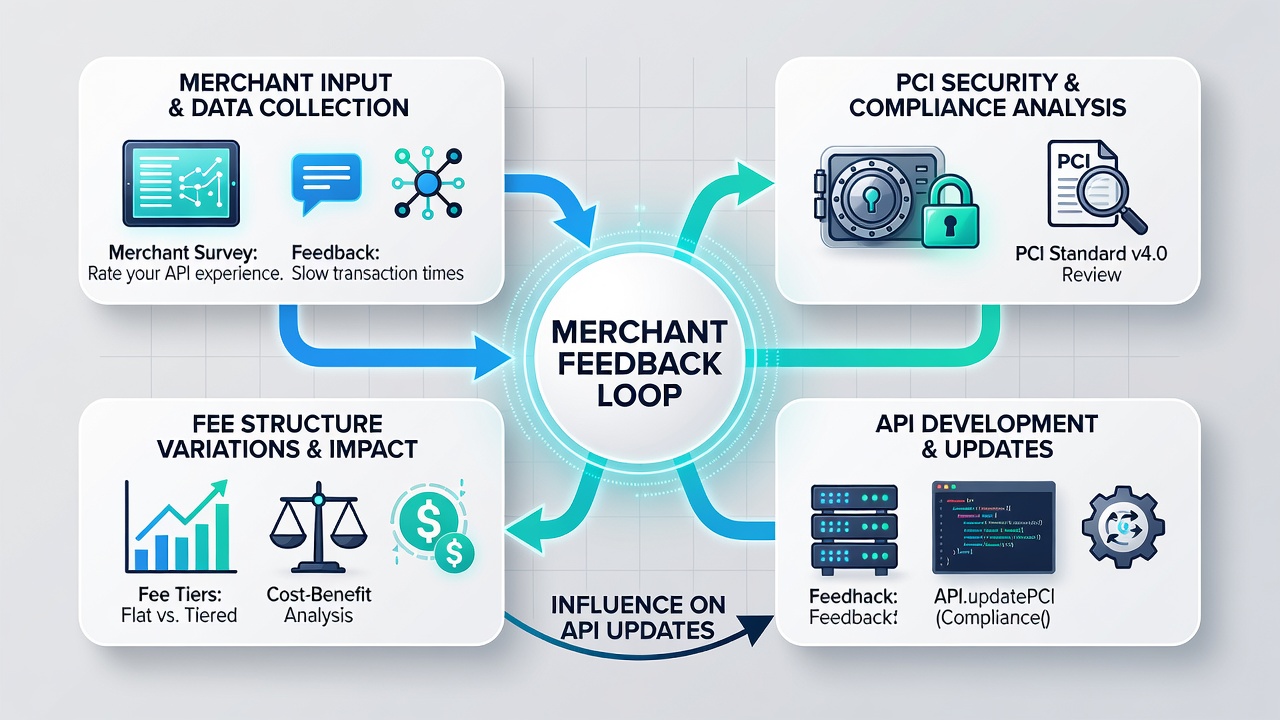
Merchant feedback loops operate as structured channels where transaction data, integration challenges, and compliance queries flow back to payment processors and software developers. These loops shape API modifications that align with PCI Data Security Standards, particularly when fee structures range from flat-rate models to interchange-plus arrangements and tiered pricing schemes. Observers note that data collected from merchant platforms reveals patterns in error rates, authentication failures, and reporting discrepancies that directly inform subsequent code revisions.
Core Mechanics of Feedback Collection
Payment gateways gather input through automated logging systems, support ticket analysis, and periodic merchant surveys. Researchers at institutions focused on financial technology track how these inputs accumulate over quarters, then cluster around specific API endpoints such as tokenization routines or 3-D Secure implementations. When merchants operate under tiered fee structures, the volume of queries about transaction routing increases because cost calculations depend on accurate categorization of card types and processing channels. This correlation appears consistently in datasets released by regional banking authorities across North America and the European Union.
PCI Standards and API Adaptation Cycles
The PCI Security Standards Council maintains requirements that cover network segmentation, encryption protocols, and access controls. API updates often address vulnerabilities identified through merchant-reported incidents rather than solely through internal audits. For instance, adjustments to field validation rules or timeout parameters frequently trace back to aggregated logs showing repeated failures in environments where fee structures reward high-volume, low-value transactions. Evidence from compliance reports indicates that processors serving merchants on blended pricing models prioritize different security enhancements compared with those handling interchange-plus clients who demand granular reporting on each authorization.
Influence of Varied Fee Structures
Fee structures determine which merchants adopt certain integration paths, thereby influencing the types of feedback that reach developers. Flat-rate arrangements attract smaller operations with simpler setups, generating data centered on basic authentication stability. In contrast, merchants under complex tiered models submit detailed observations about latency during peak reconciliation periods, prompting refinements in batch processing APIs. According to analyses published by the Reserve Bank of Australia, these differentiated inputs lead to staggered release schedules where security patches for high-complexity environments receive earlier deployment.
September 2026 marks the scheduled rollout of updated PCI point-to-point encryption guidelines that several major processors have already begun testing against merchant-supplied test cases. Developers incorporate findings from prior feedback cycles to ensure new encryption modules perform consistently across pricing tiers without introducing additional latency that could affect cost calculations.
Real-World Integration Examples
One documented case involved a regional acquirer that revised its token vault API after merchants on volume-based fee plans reported elevated decline rates during settlement windows. The revision reduced payload sizes and added optional compression flags, changes that emerged directly from aggregated support data rather than isolated testing. Similar patterns appear in documentation from the Canadian Bankers Association, where feedback-driven modifications improved compliance scores for hybrid retail operations that combine in-store and online channels.
Monitoring and Iteration Processes
Continuous monitoring frameworks capture metrics such as authentication success percentages, timeout frequencies, and reconciliation mismatches. These metrics feed into prioritization matrices that weigh security impact against operational cost implications for different fee structures. Teams responsible for API maintenance review clusters of merchant reports monthly, then align proposed changes with upcoming PCI assessment windows. Data from industry consortiums shows that organizations maintaining transparent feedback portals experience faster convergence on stable API versions.
Conclusion
Merchant feedback loops supply the raw material for targeted API refinements that keep payment systems aligned with evolving PCI standards across diverse fee environments. The mechanisms linking query patterns to code releases remain consistent regardless of pricing model, yet the emphasis on particular features shifts according to the operational realities faced by merchants in each tier. Ongoing cycles of collection, analysis, and deployment continue to define how compliance requirements translate into practical software updates.